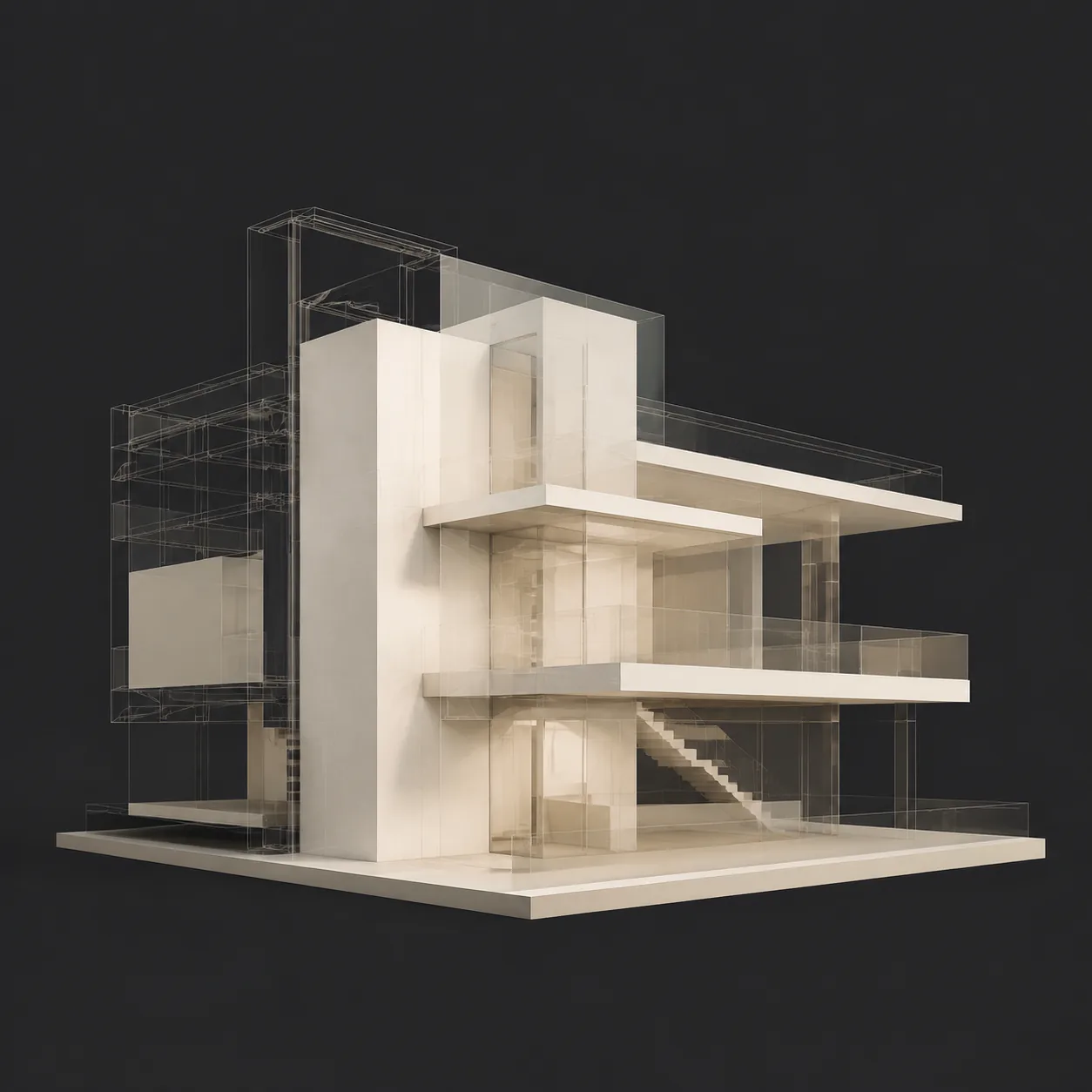
Art in Architecture: When Space Becomes an Experience | Kavak Journal
Art in architecture is not limited to a work hung on a wall. It can appear in a pause before entering, a shadow across an opening or the texture of a surface along a route. Ordinary elements can create an experience that lasts beyond a first impression.
Move from looking to experiencing We understand a place through more than sight. Movement, scale and transitions between open and enclosed areas influence how it feels. A modest entrance may make the next space feel generous, while a gradual change in light can mark a transition toward privacy. These choices should support everyday use rather than compete with it.
Work with changing light Floors and walls may be fixed, but daylight changes. Rough and polished surfaces respond differently to the same light. Review material samples in conditions that resemble the project, rather than relying only on a showroom impression. The relationship between light and material is part of the design.
Give details a shared language A junction between materials, a handle or an edge along a passage can contribute to how a space is read. Coherence emerges when details follow a shared rationale. It does not require every element to look alike; contrasting elements can belong together when their relationship is clear.
Leave room for interpretation Not every corner needs an object or a visual statement. A quiet surface gives light and human presence room to register. When artwork is introduced, consider scale, viewing routes and context. Architecture and art can contribute to each other without either becoming a mere backdrop.
Ask what experience the place should offer. Following that question through light, materials and details allows beauty to become part of living in the space, rather than remaining only an image.