Technology in Architecture: Turning Information into Decisions | Kavak Journal
Technology supports architecture when it answers a clear question. A striking model or a new tool does not improve a project on its own. What matters is the quality of information and how the team uses it to make decisions. BIM offers one way to organise that relationship.
Define the information needed Building information modelling connects geometry with data about building elements. That does not mean every component needs maximum detail from the beginning. Define the decisions the model will support and the information required at each stage. Detail without a purpose adds complexity without necessarily improving decisions.
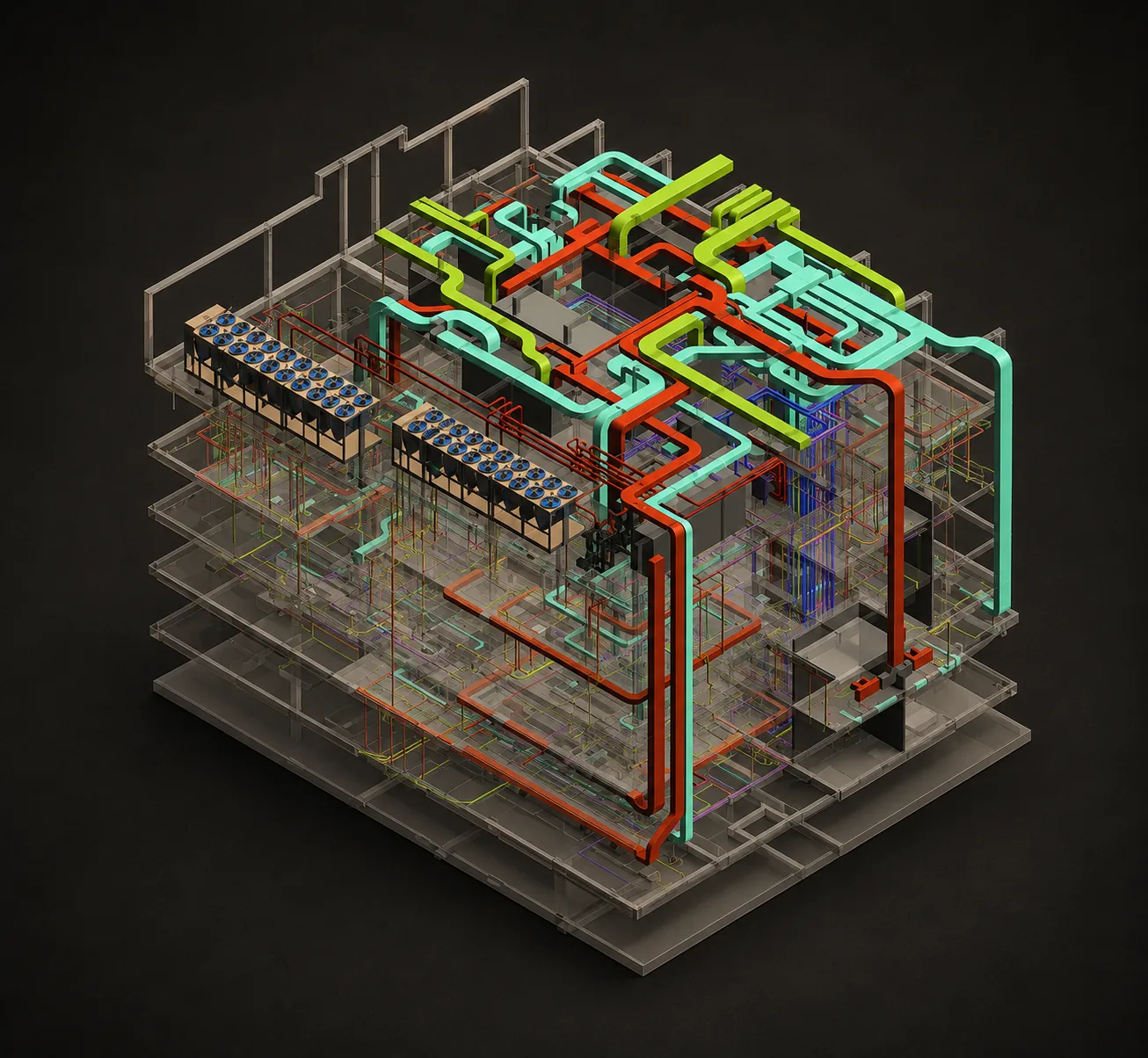
Give coordination a process Architecture, structure and building services follow different requirements but occupy the same building. Reviewing their models together can reveal conflicts and support discussion. Identifying a clash is only the beginning: someone must assess it, agree a solution and confirm the revision. An unresolved issue in a model is still an unresolved issue.
Distinguish current from approved A newer file is not automatically an approved deliverable. Naming rules, publication status, responsibilities and change records help a team understand which information can be used. Technology supports this organisation; it cannot replace the agreement that makes it meaningful.
Start with the intended output Define whether the project needs multidisciplinary coordination, construction documentation, design-option reviews or operational information. Agree the required detail, delivery schedule and authorship accordingly. Smaller projects can benefit from a simple, proportionate version of the same process.
Keep professional judgement involved BIM can make information more visible and decisions more traceable. Reliable inputs, competent design and review remain essential. A precise output based on incorrect information is not a dependable result.
The first question is therefore not whether the project has a 3D model. It is how its information is produced, approved and used. A clear answer provides a stronger foundation for useful BIM.
Further reading: Autodesk's definition of Building Information Modeling.